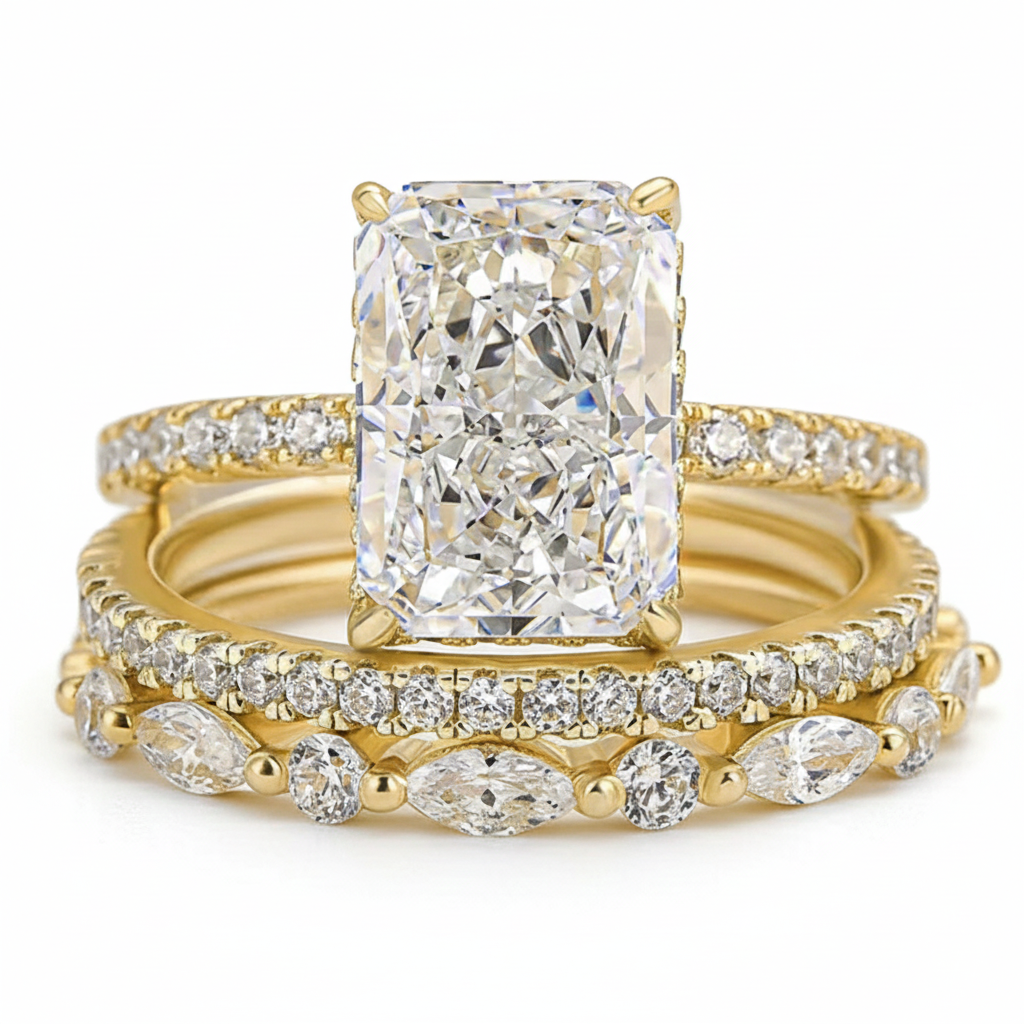
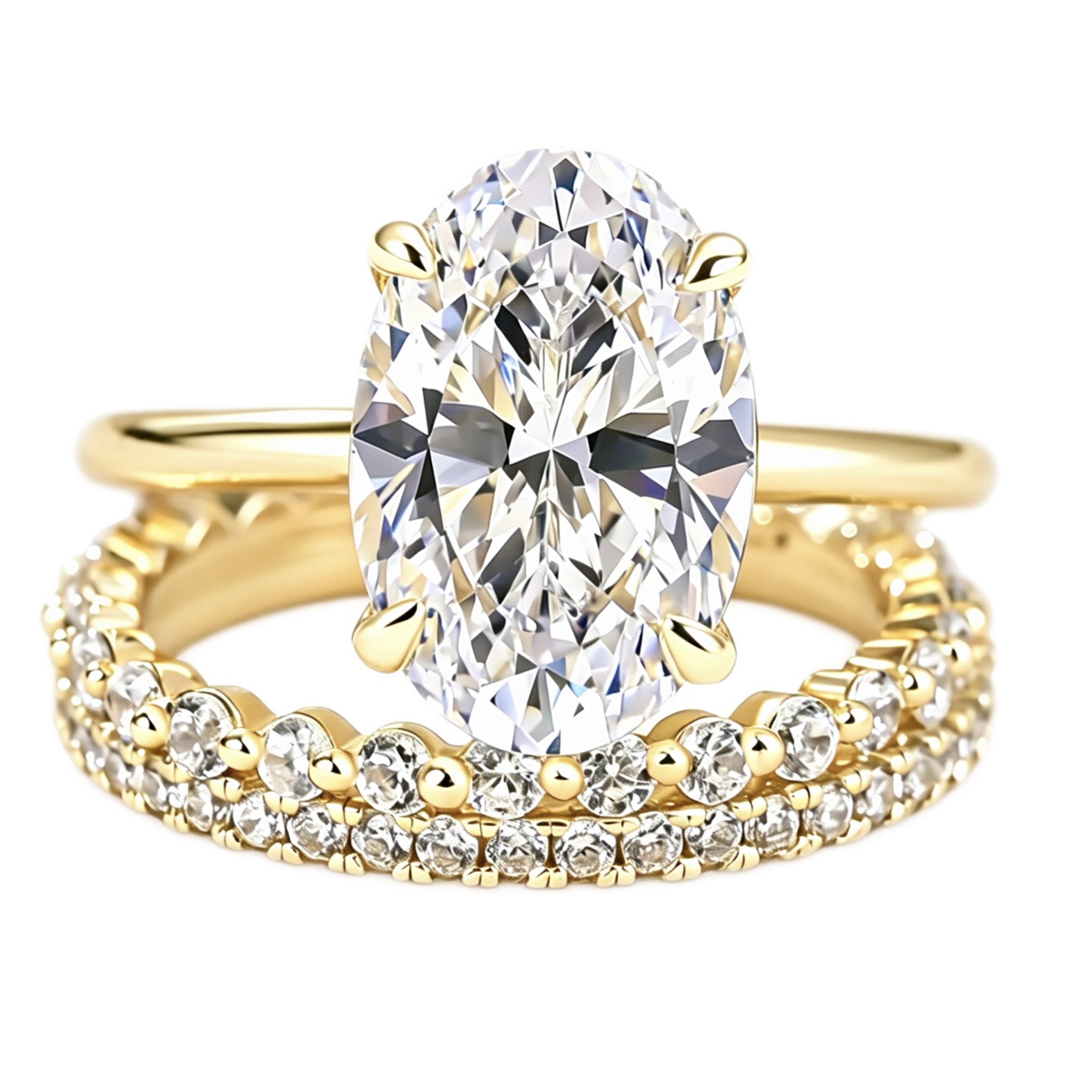
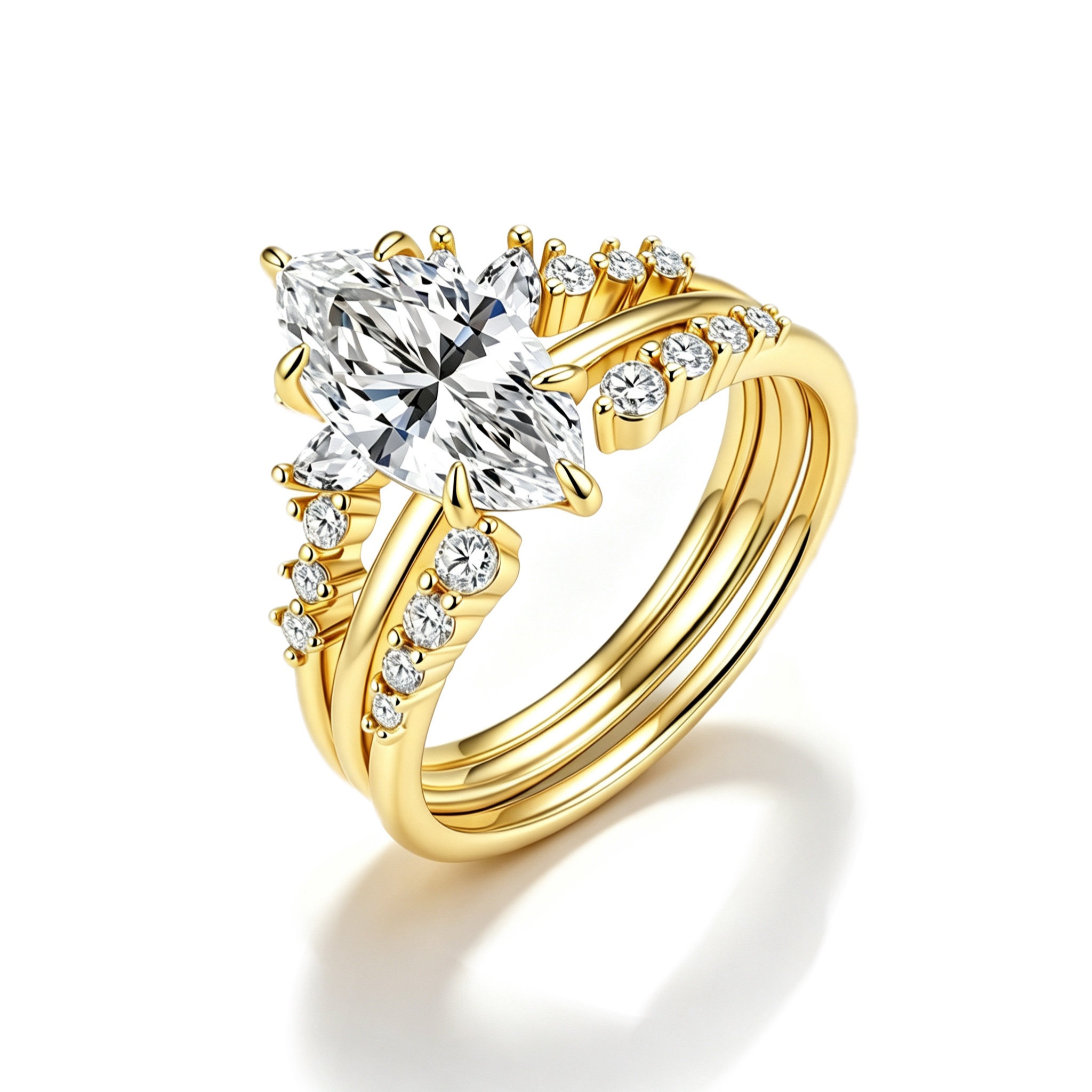
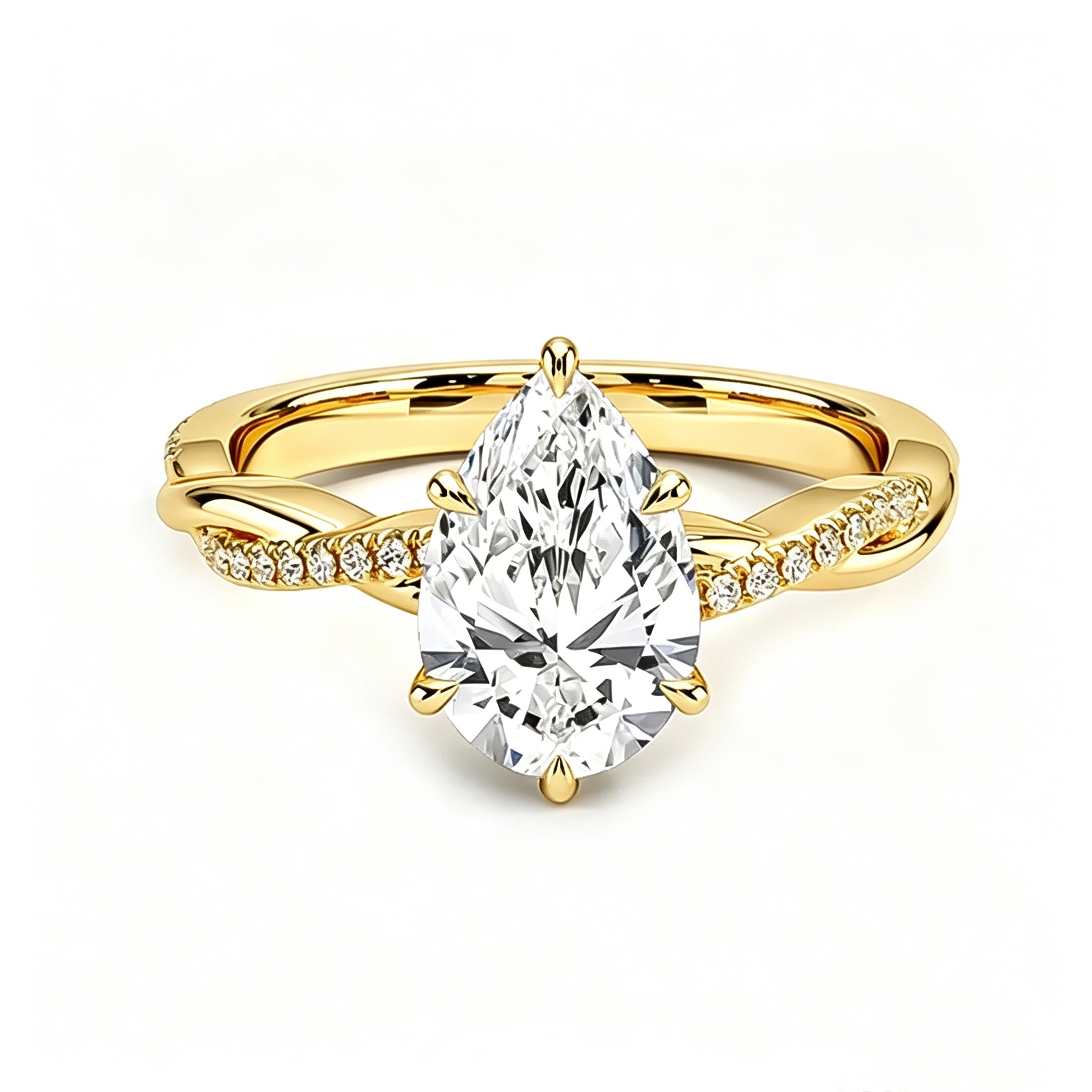

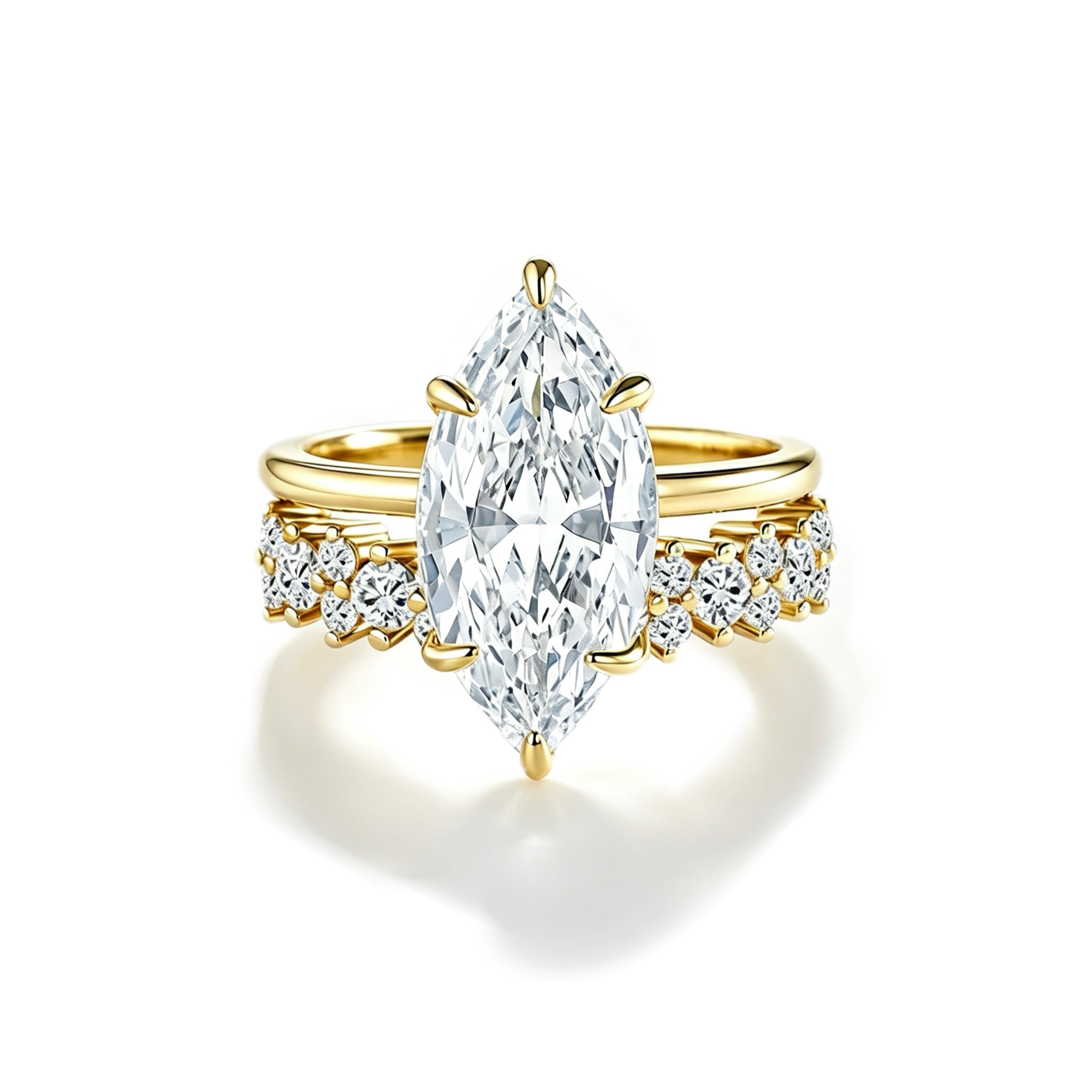
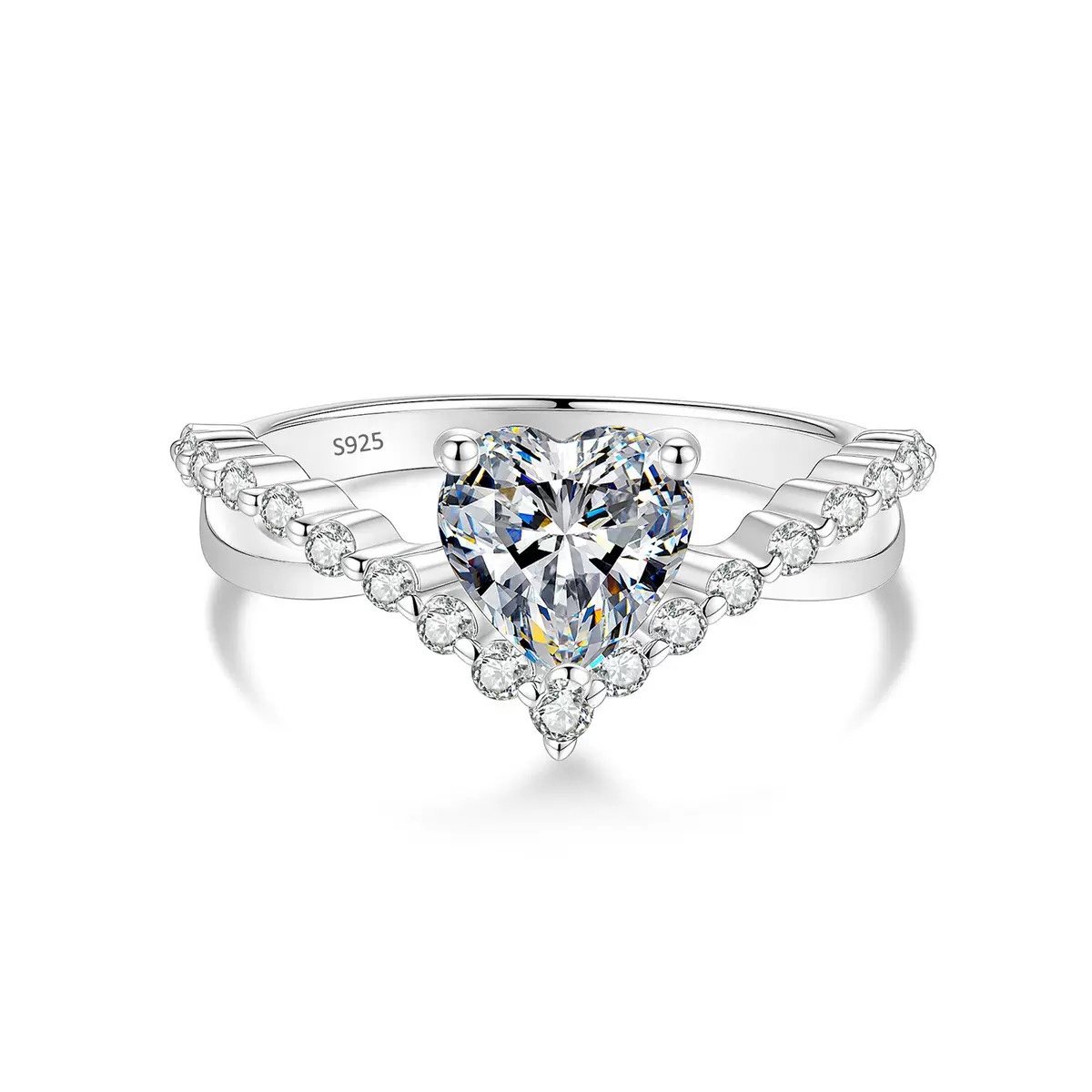
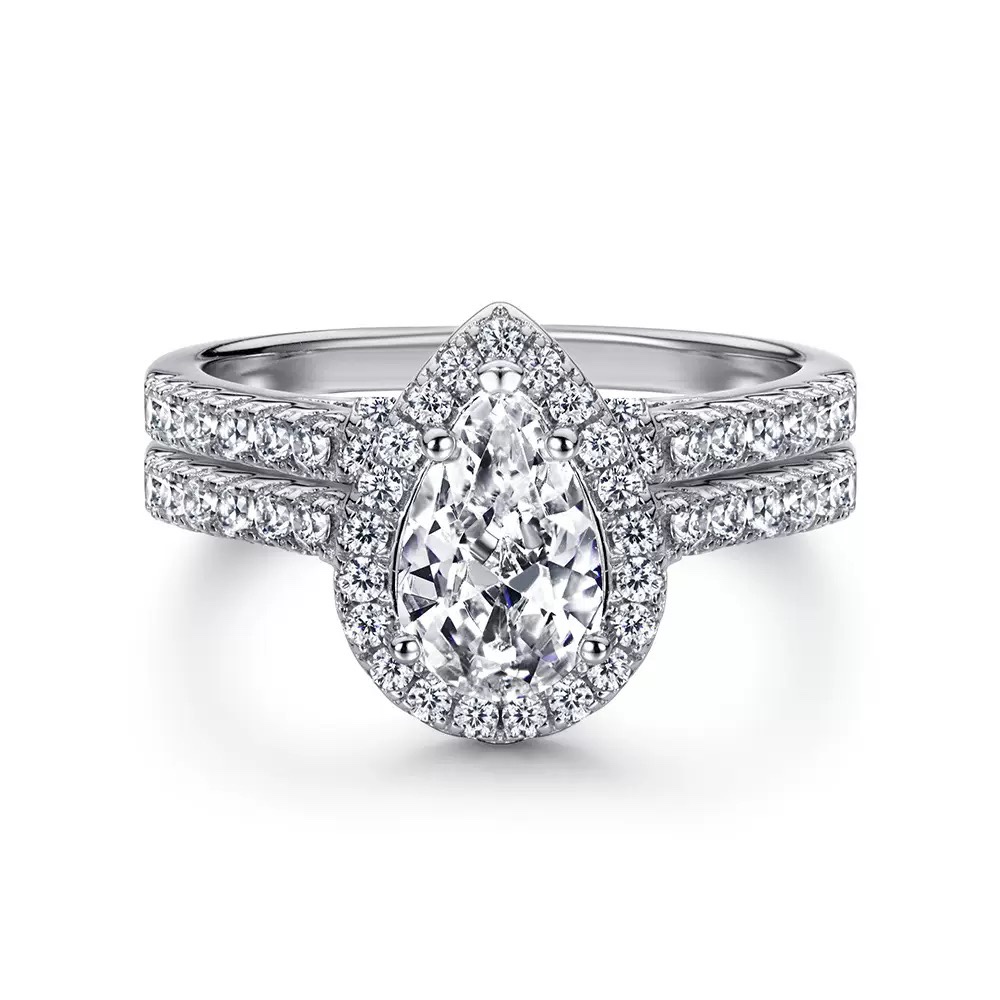
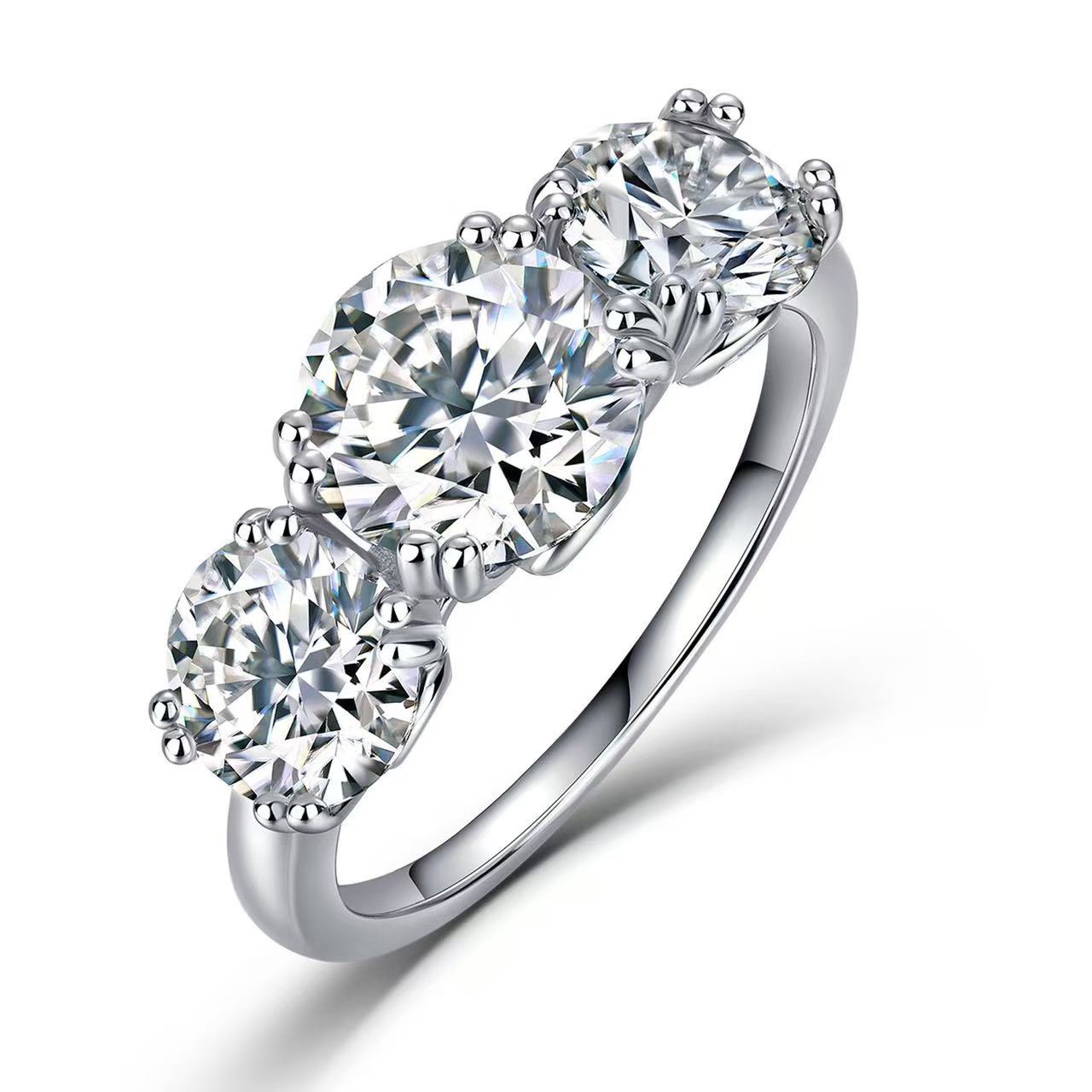
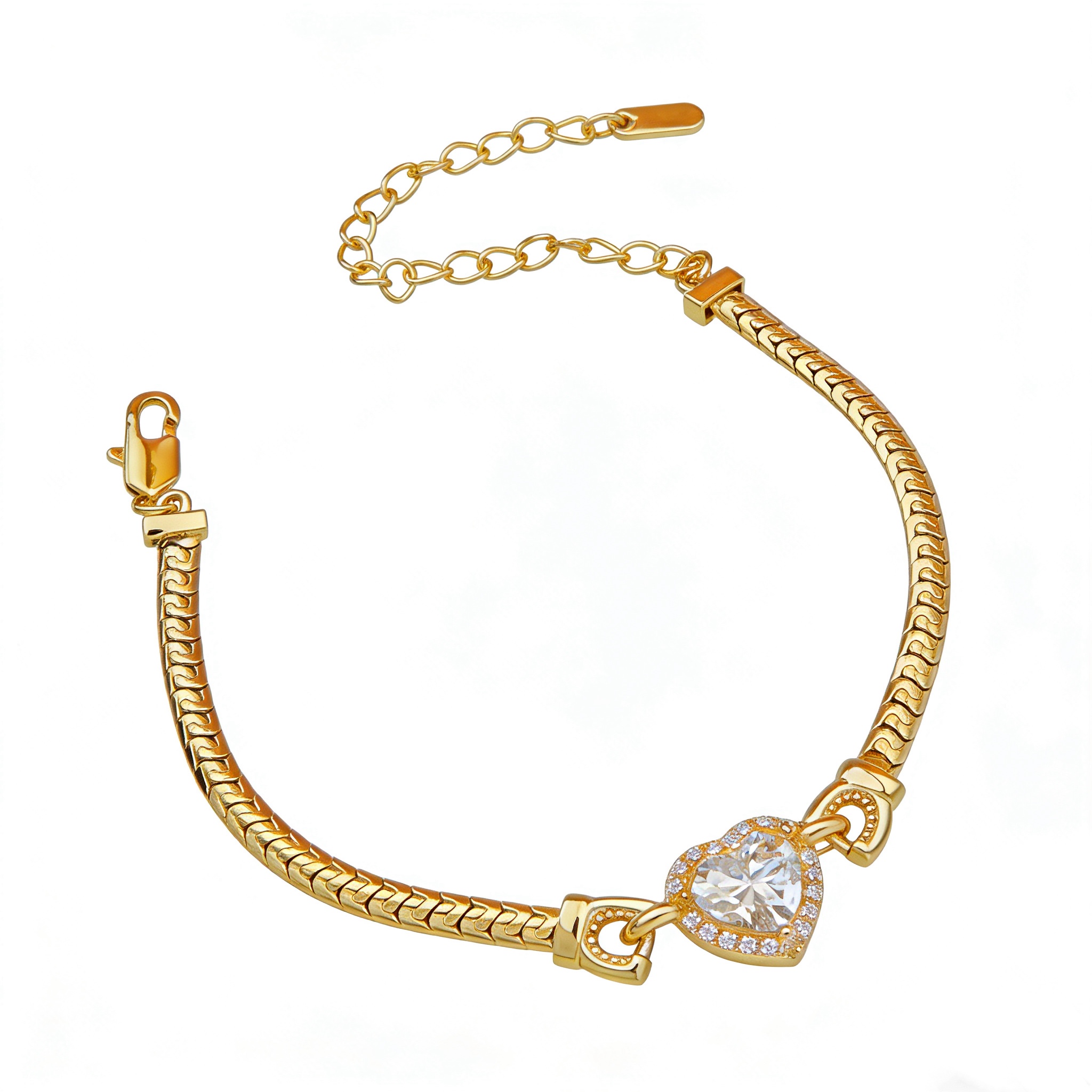
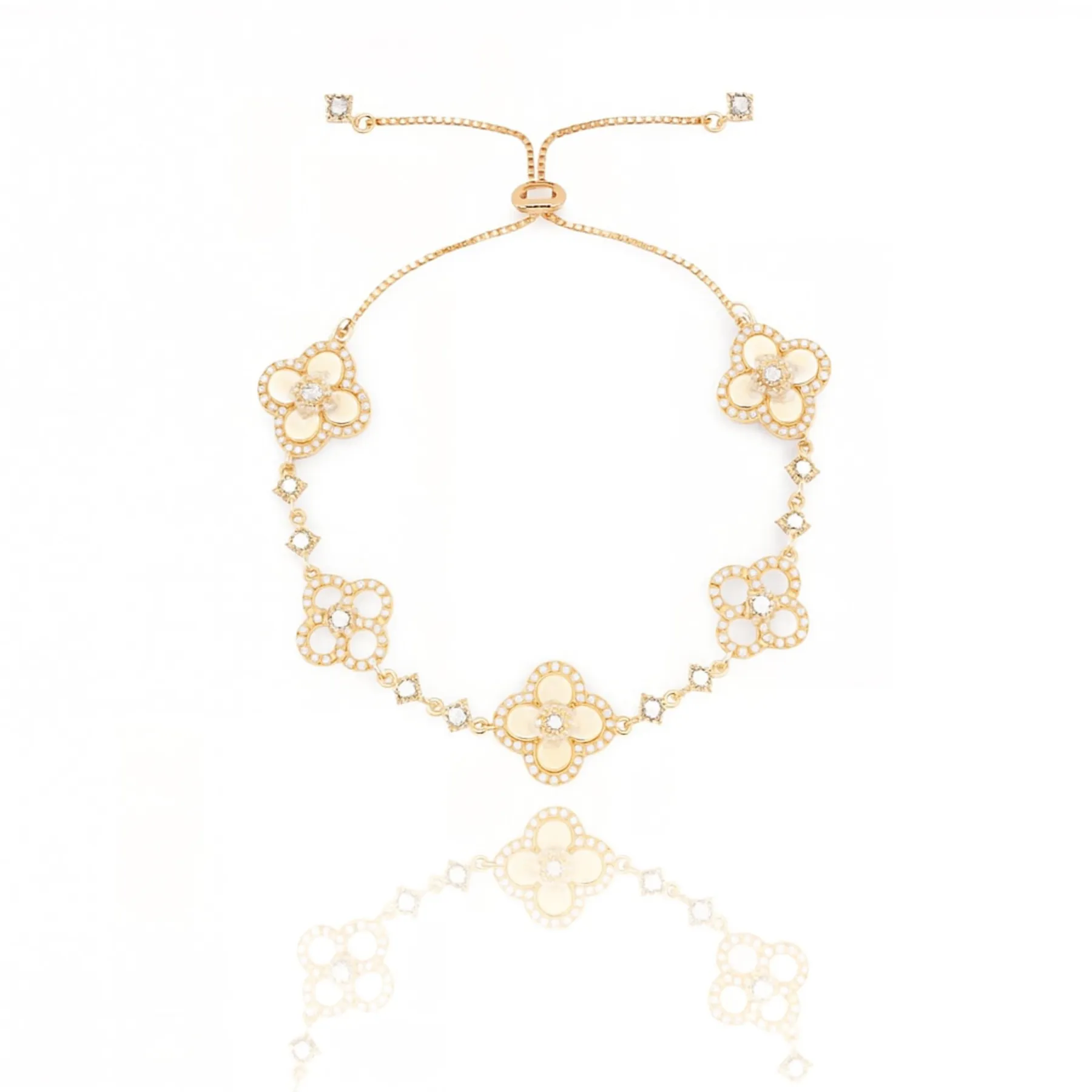
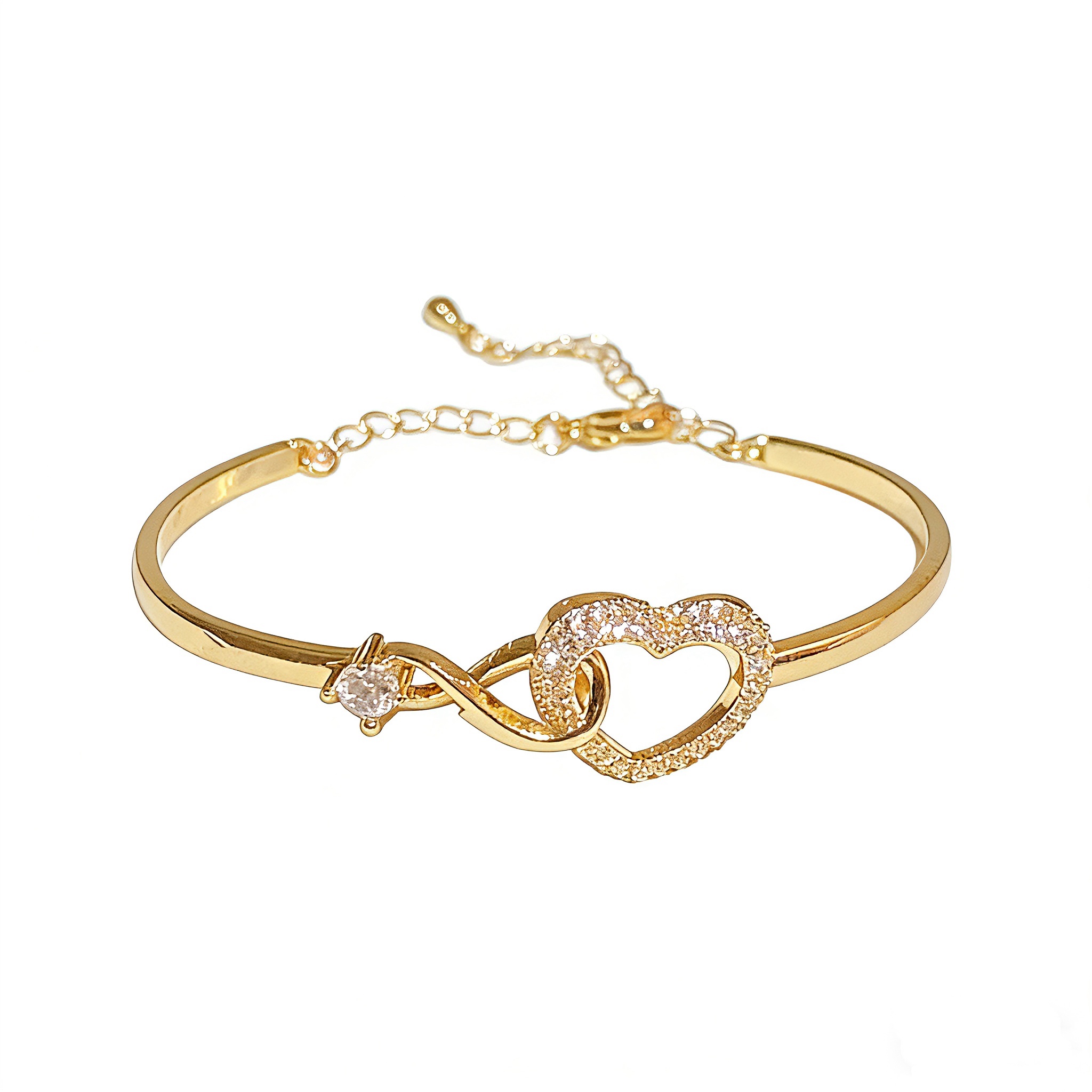

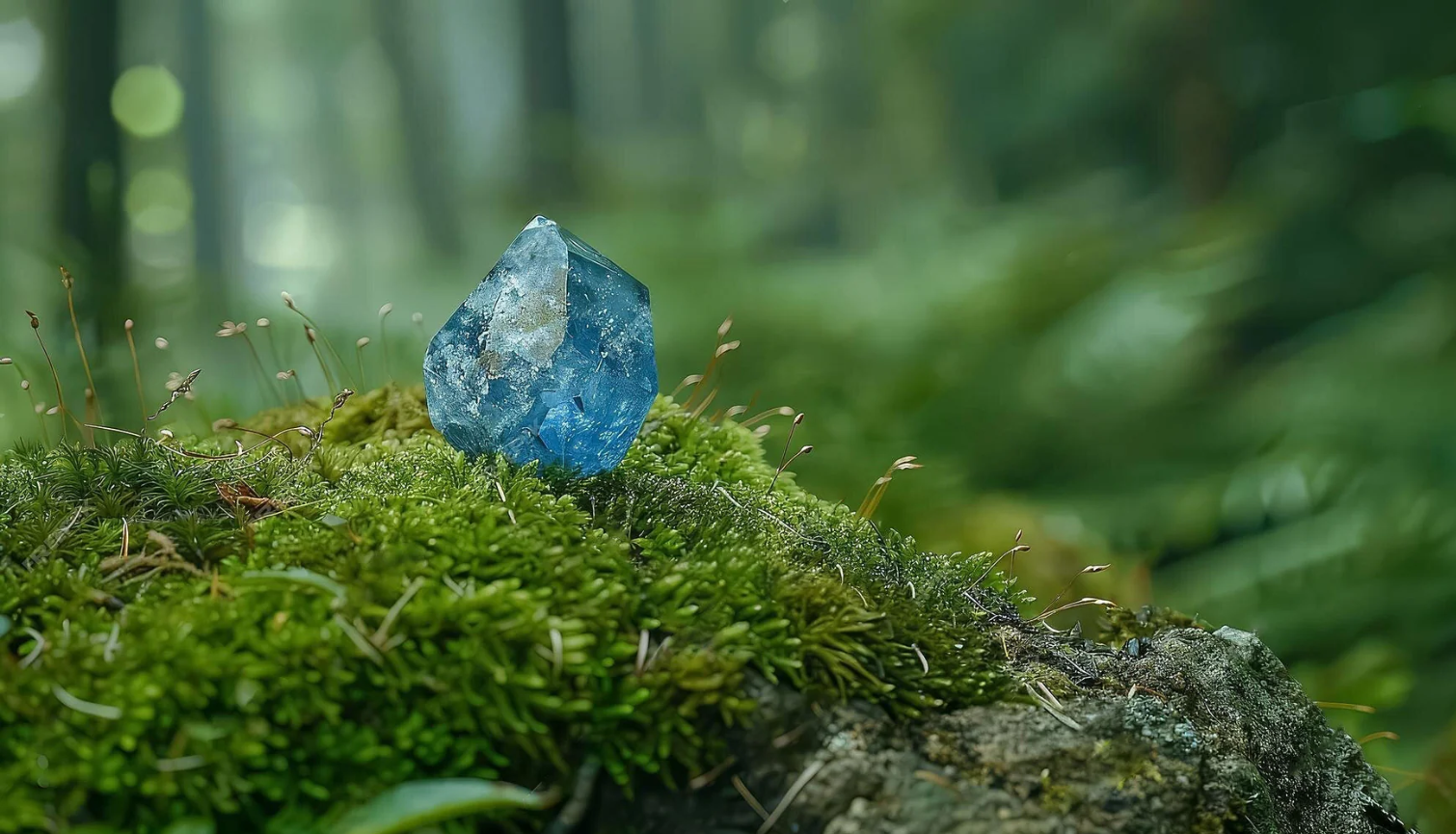
A quiet revolution is taking place in the jewelry industry. The breakthrough in lab-grown gemstone technology is not only redefining the meaning of luxury but also bringing new possibilities for environmental protection and sustainable development.
Environmental Advantages: A Green Choice for Protecting the Planet
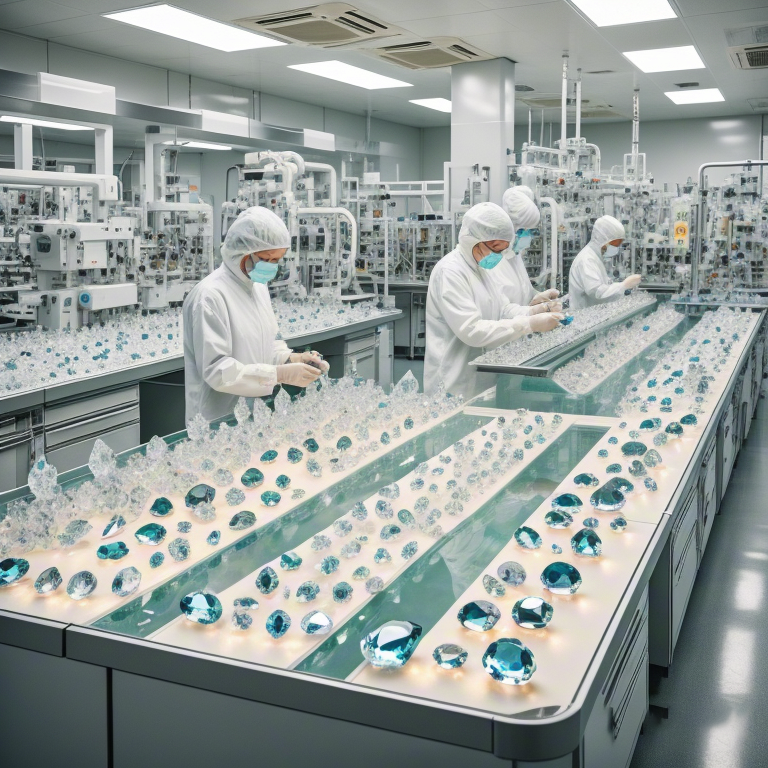
Traditional gemstone mining causes severe environmental damage. Statistics show that mining one carat of diamond requires moving nearly 250 tons of ore, consuming vast amounts of water and energy. In contrast, lab-grown gemstones have a carbon footprint only one-tenth of mined gemstones and reduce water usage by over 90%. The cultivation process is fully controllable, avoiding soil erosion, deforestation, and water pollution.
Sustainability: A Smart Choice for Long-Term Development
The production cycle of lab-grown gemstones is controllable, typically taking only a few weeks, compared to the millions of years required for natural gemstone formation. This efficient production method not only ensures a stable supply of gemstones but also prevents ecological damage caused by resource depletion. Consumers can acquire gemstones of the same quality at more reasonable prices while supporting environmental causes.
The Perfect Balance of Value and Beauty
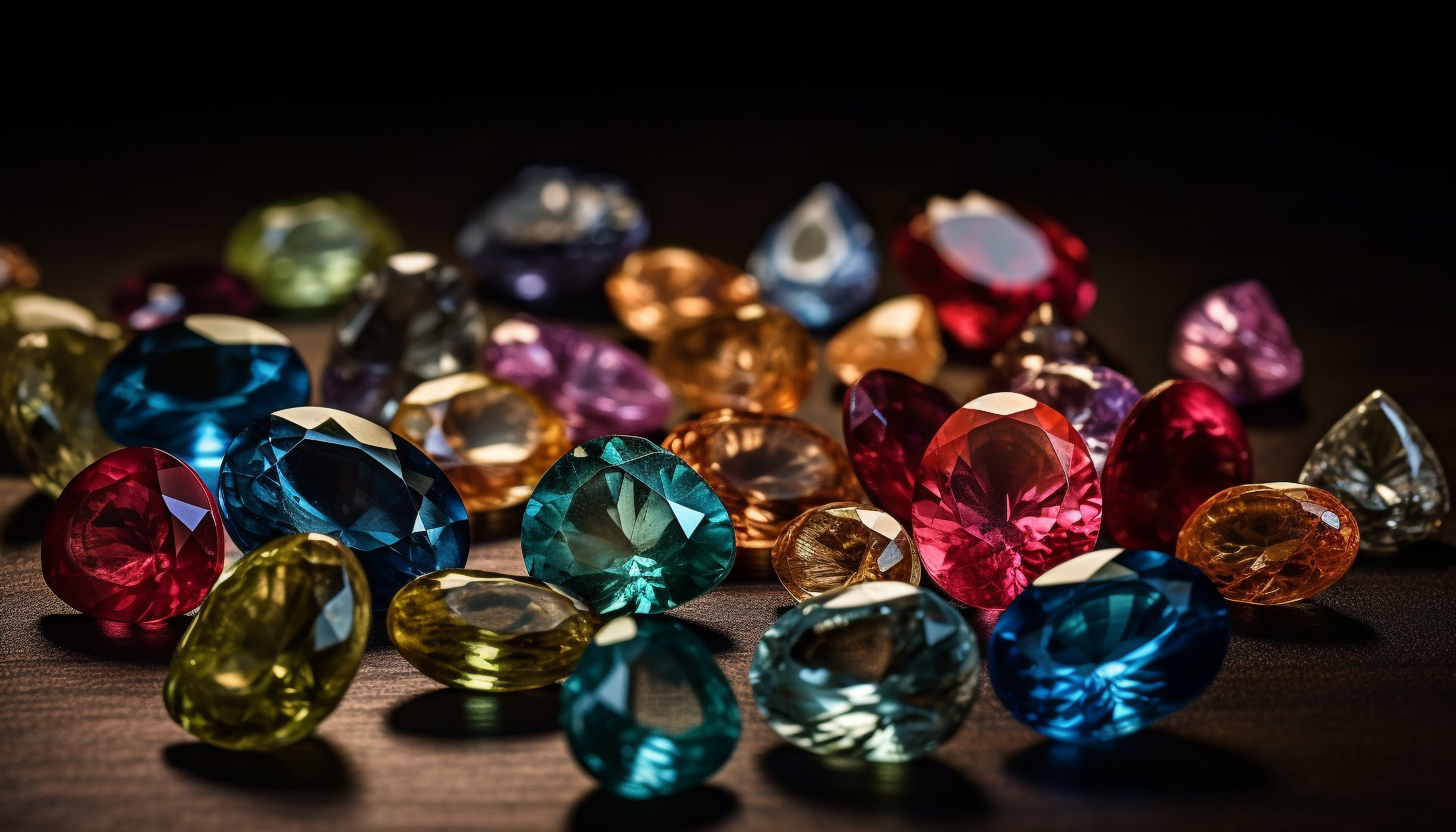
In terms of quality, lab-grown gemstones possess identical physical, chemical, and optical properties to natural gemstones. Professional appraisers require specialized equipment to distinguish between the two. Price-wise, lab-grown gemstones are typically 30-50% more affordable than their natural counterparts, making high-quality jewelry accessible to more consumers.
What is Moissanite?
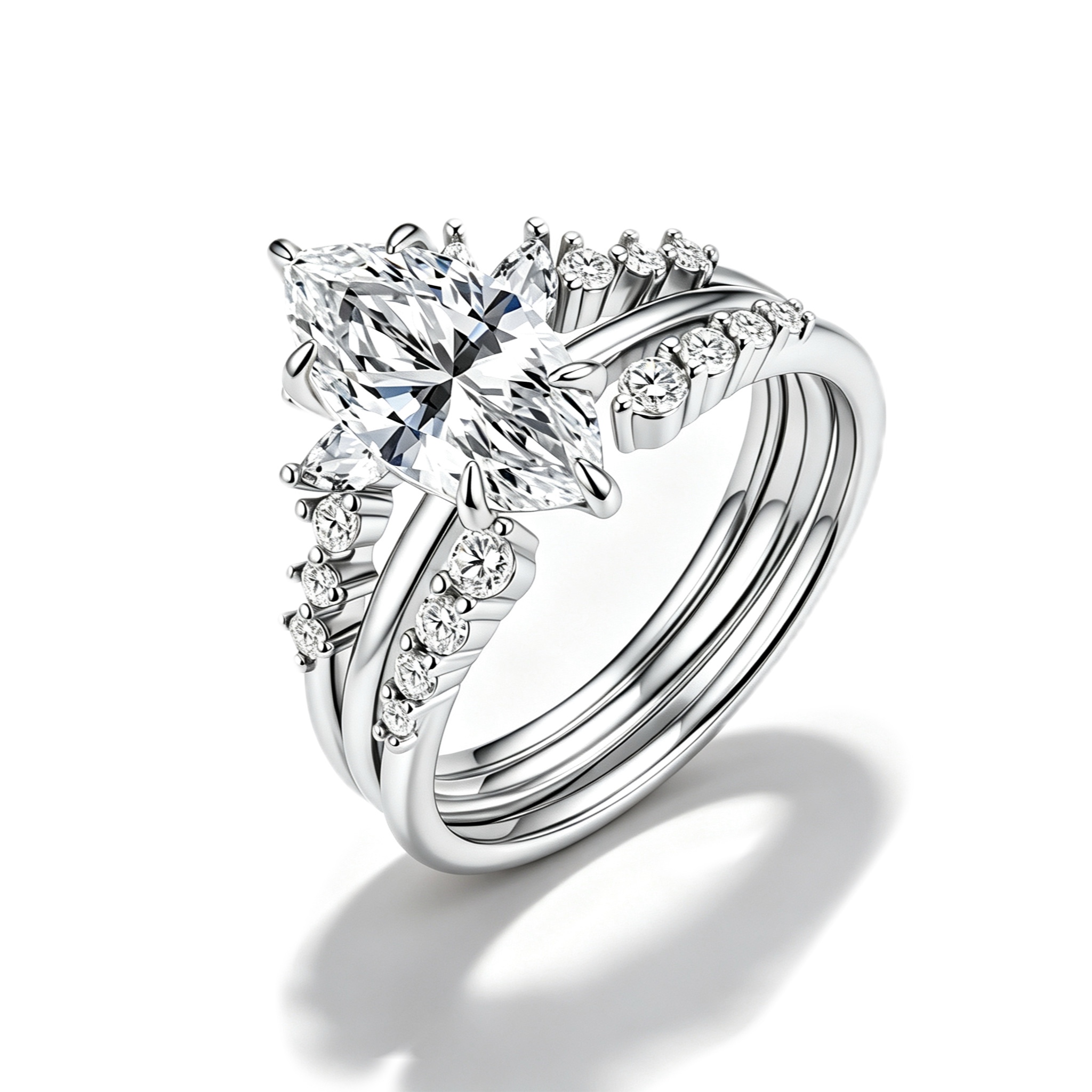
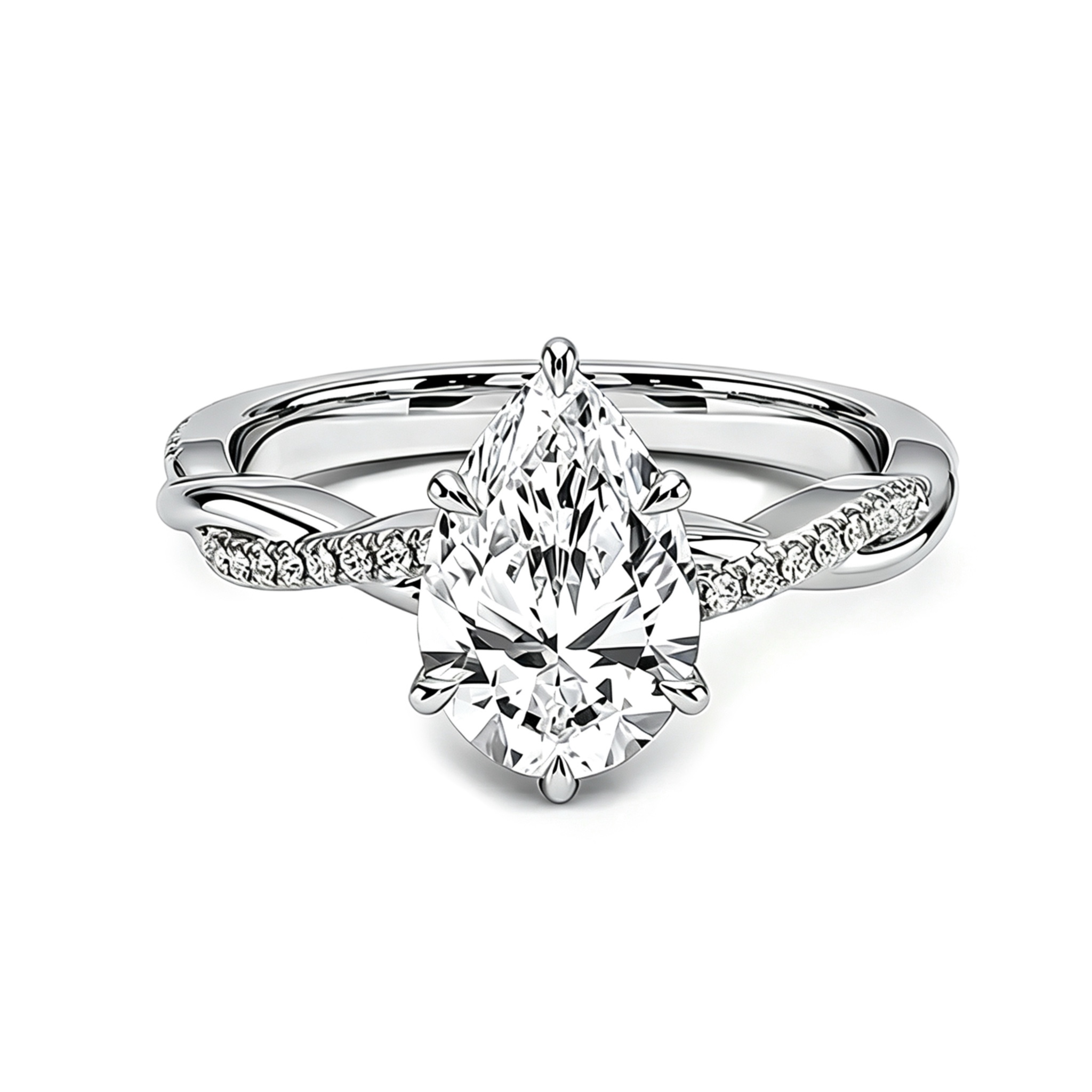
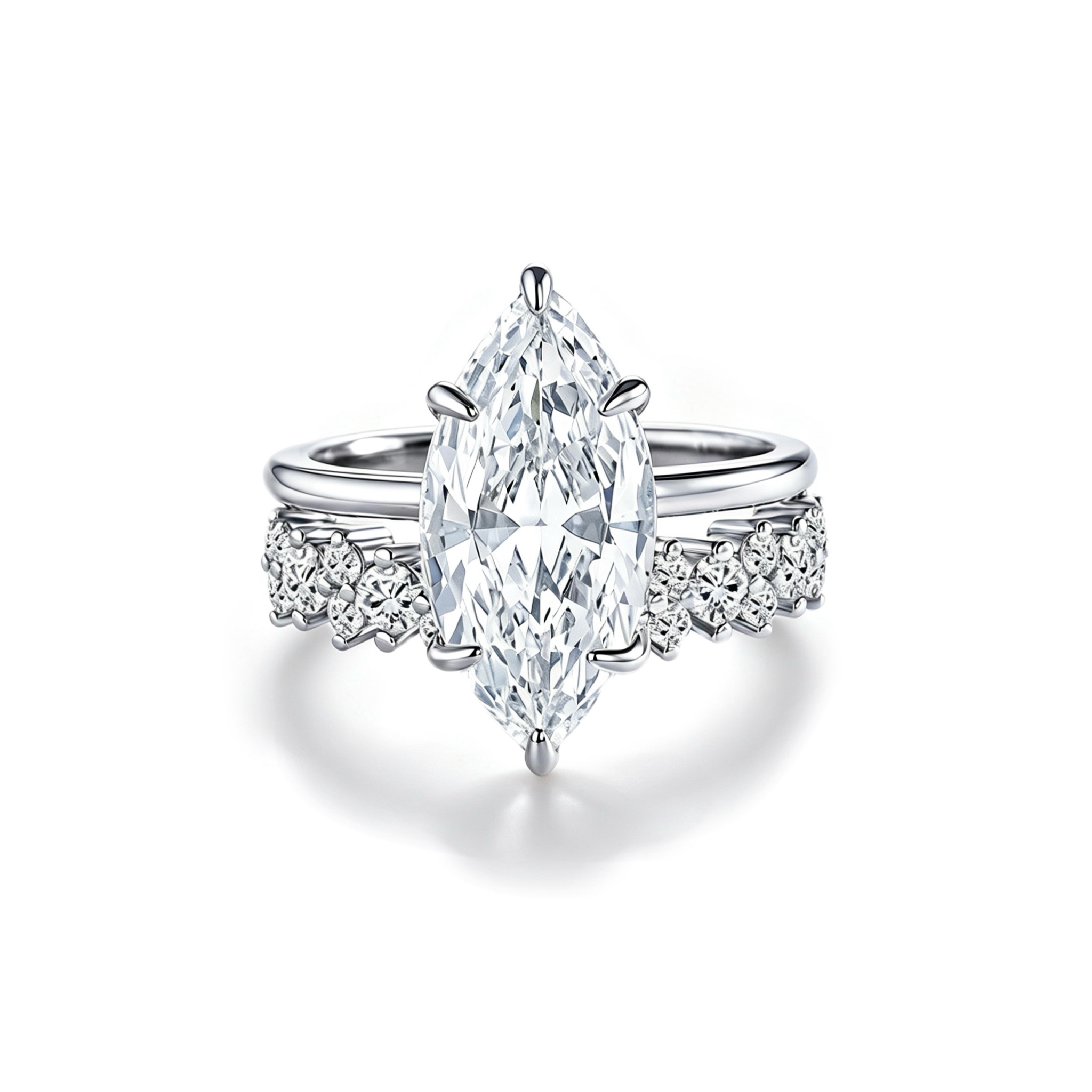
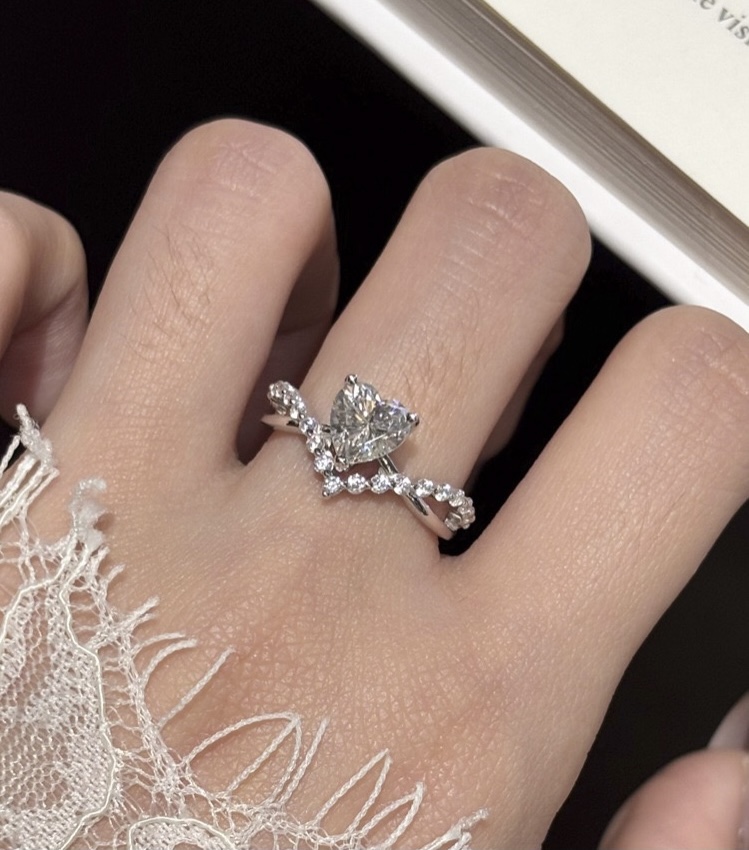
From Lab to Jewelry's "Dark Horse" Moissanite, scientifically known as synthetic silicon carbide, originated from a scientific discovery: in 1893, French chemist Henri Moissan discovered a rare silicon carbide crystal in a meteorite crater, hence the name. However, the moissanite we wear today is all laboratory-synthesized and cultivated, not a natural mineral.
From a core attribute perspective, moissanite belongs to the same "high-end jewelry material tier" as diamonds and lab-grown diamonds, but its production process is more economical:
Chemical Composition: Pure silicon carbide crystals, with a stable structure and a hardness second only to diamond (Mohs hardness 9.25), making it wear-resistant and scratch-resistant for everyday wear;
Optical Performance: Possessing superrefractive properties, its fire (light dispersion effect) is 1.4 times that of diamonds, resulting in a more brilliant and vibrant rainbow of colors when worn, and a built-in "high-gloss effect" under artificial light;
Quality Standards: Currently, most mainstream moissanite stones have passed testing by authoritative institutions such as IGI and GIA. Some brands will indicate clarity, color, and cut grades to ensure controllable quality.
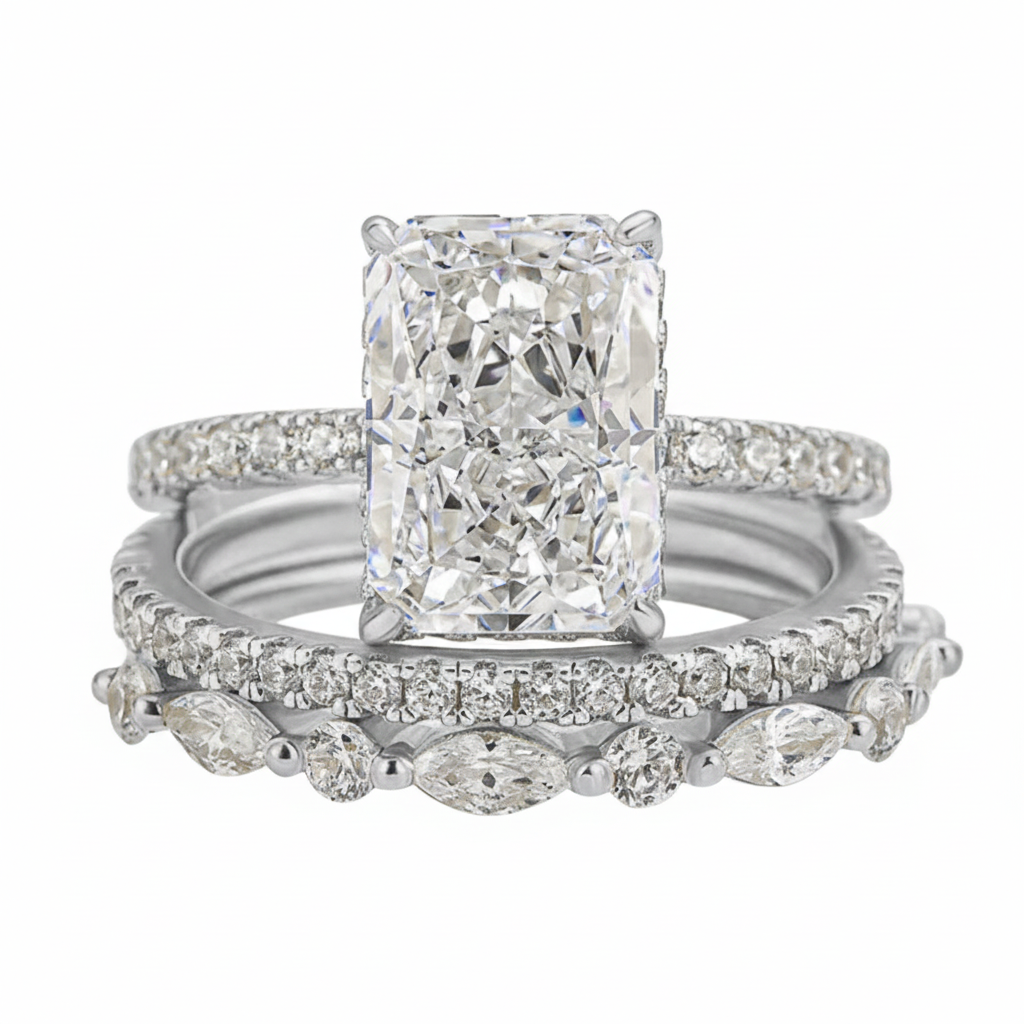
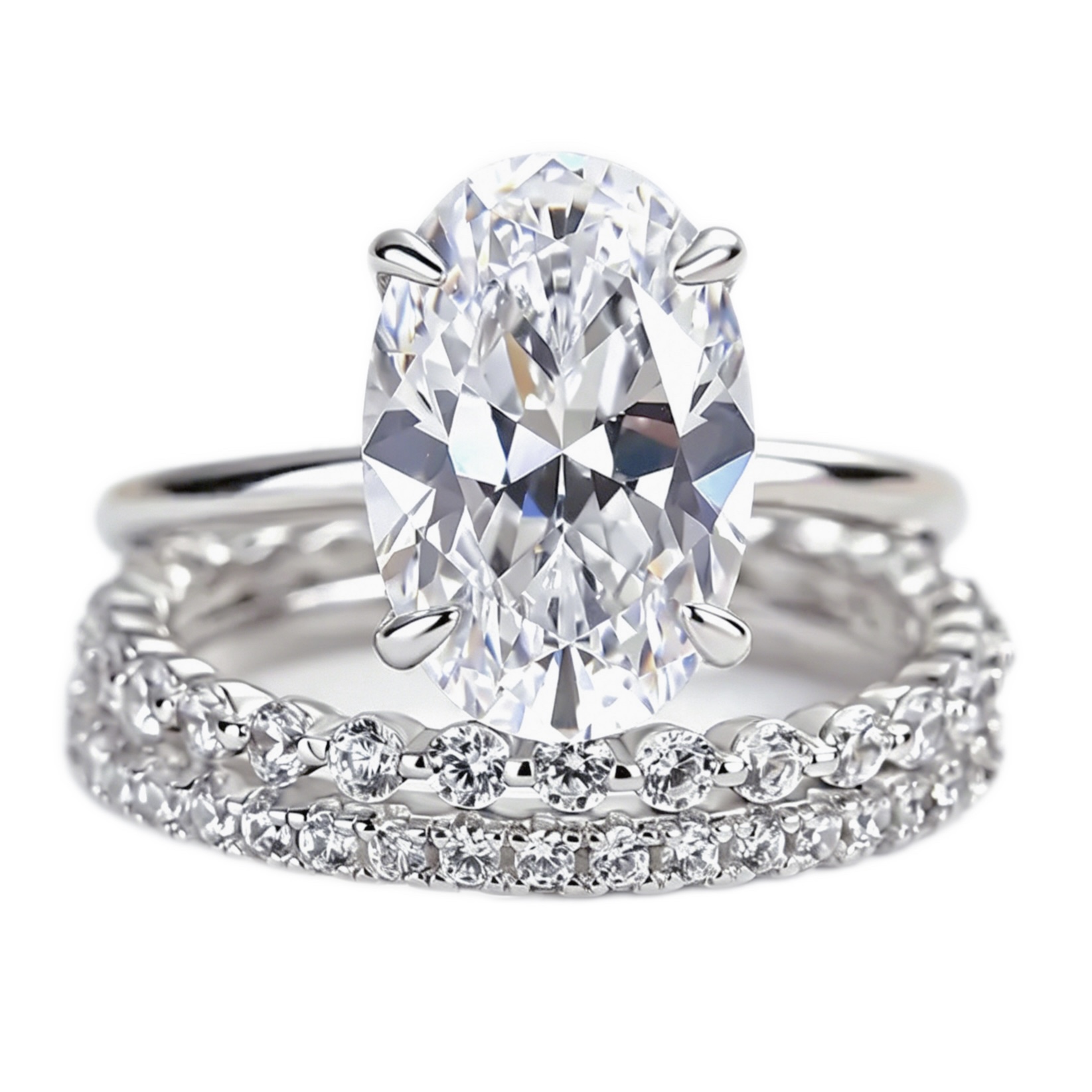
In short, moissanite is not a "cheap imitation diamond," but a high-end jewelry alternative empowered by technology, retaining the brilliance of jewelry while breaking down price barriers.
Future Outlook
With technological advancements and growing consumer environmental awareness, the lab-grown gemstone market is expanding at an annual rate of 20%. By 2025, lab-grown gemstones are expected to account for 30% of the global gemstone market. This shift represents not only industry progress but also a significant milestone in humanity's pursuit of sustainable development.

Choosing lab-grown gemstones is not just a pursuit of beauty but also a responsibility for the future of our planet. It proves that luxury and environmental protection can coexist perfectly, and sustainable development can shine just as brilliantly.

-0.jpg?w=1024&h=1024)